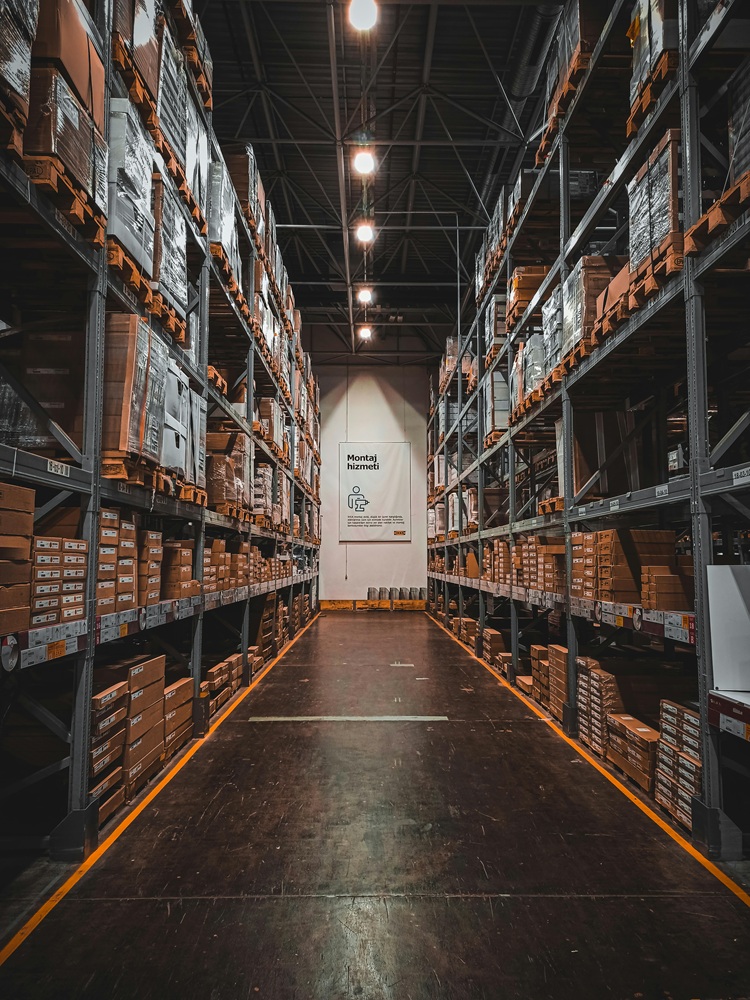
In most warehouses, racking is taken for granted. It stands quietly in the background, doing its job day after day. But in fast paced environments where forklifts, reach trucks, and pallet movers operate in tight aisles, racking damage is far more common than many businesses realise. What often gets missed is how quickly small impacts can turn into serious safety and operational risks.
Table of Contents
How Racking Damage Really Happens
Most racking damage is not caused by major incidents. It happens through repeated low level impacts, clipped uprights, or pallets being placed incorrectly under pressure. Over time, this weakens key components such as uprights, beams, and baseplates.
Because warehouses are designed to keep moving, damaged racking is often left in service, especially if it does not appear severe. Unfortunately, even slight distortion can reduce load capacity and increase the risk of failure.
Why “Minor” Damage Is Not Minor
Racking systems are engineered to precise tolerances. Once those tolerances are exceeded, the system no longer performs as designed. This can lead to:
- Reduced safe working loads
- Increased risk to operatives and equipment
- Greater likelihood of product damage
- Non compliance with UK health and safety expectations
In the event of an incident, unaddressed racking damage can also raise questions around duty of care and insurance cover.
The Role of Professional Racking Repair
Professional warehouse rack repair is about more than straightening metal. It involves assessing the extent of damage, understanding load paths, and restoring the system so it performs safely under real operating conditions.
Targeted repairs can often return racking to service quickly and at a lower cost than full replacement. This approach helps businesses control maintenance budgets while maintaining safe, compliant storage.
Just as importantly, qualified repair work reduces disruption. Repairs can be planned around operational schedules, allowing warehouses to remain productive.
Building Racking Repair into Daily Operations
The most effective warehouses treat racking repair as part of routine site management rather than a reactive fix. Training staff to report impacts, carrying out regular inspections, and acting quickly when damage is identified all help reduce long term risk.
Clear repair records also support audits, safety reviews, and internal compliance checks.
A Smarter Approach to Warehouse Safety
Racking may not be the most visible part of warehouse operations, but its condition directly affects safety, efficiency, and uptime. Addressing damage early, using qualified repair methods, and embedding racking care into everyday processes helps warehouses operate with confidence.
In busy UK distribution and storage environments, proactive racking repair is not just good practice. It is an essential part of running a safe and reliable operation.